I’ve worked in hospitality around the region for more than a decade—long enough to have managed small lodges, helped owners turn baches into short-term rentals, and fielded countless late-night calls from travelers who misjudged distances or seasons. That experience has shown me how Coromandel Accomodation can shape the entire trip, often far more than visitors expect.
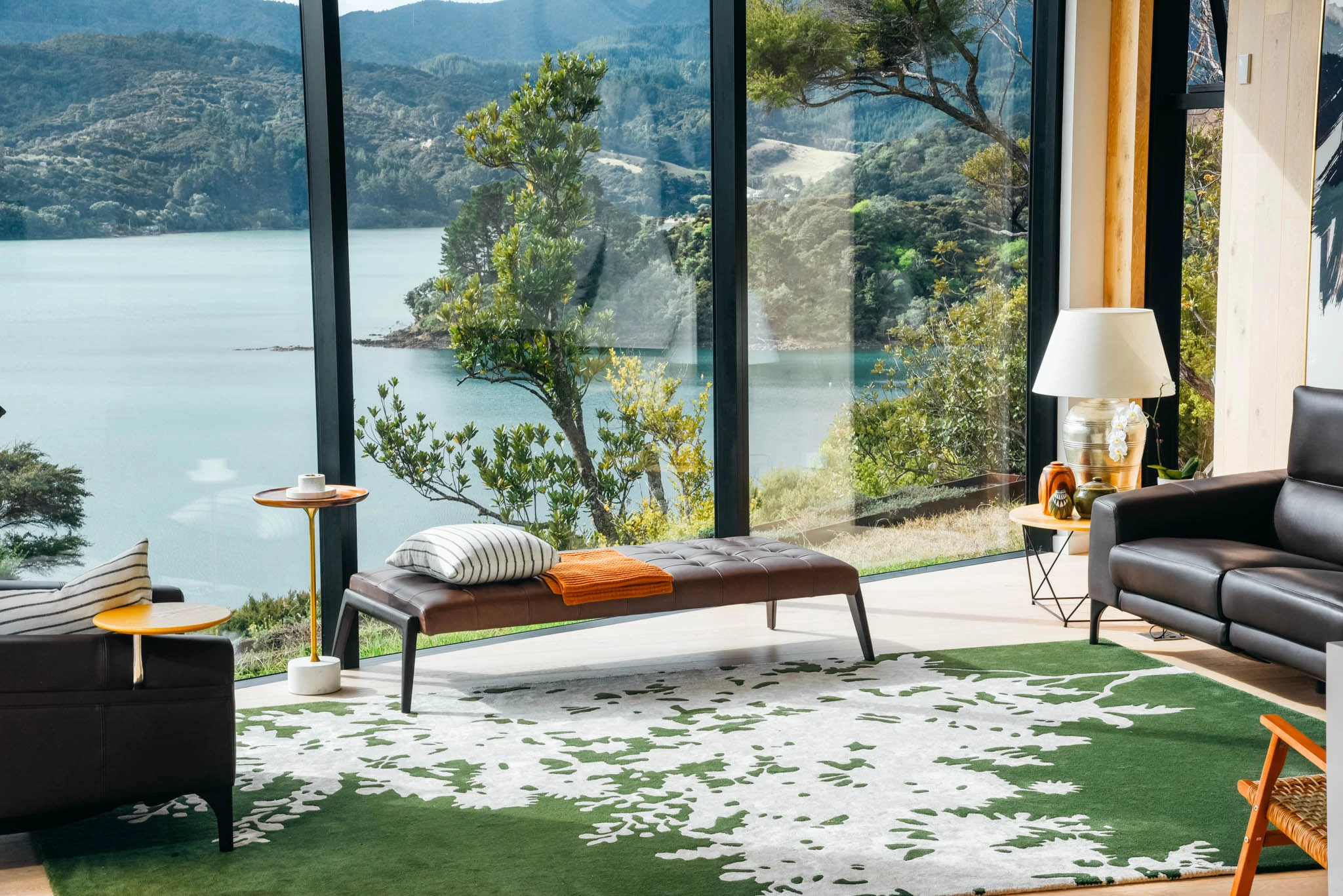
When I first started, I assumed visitors wanted the same things they wanted everywhere else: proximity to town, predictable amenities, and easy parking. Coromandel taught me otherwise. One early summer, I watched two couples arrive within minutes of each other. One had booked a sleek motel room near the main road and spent most evenings driving to find quiet. The other chose a modest hillside cabin with a winding access road. They came back sunburned and smiling, talking about birds at dawn and how the tide set the rhythm of their days. Same destination, entirely different experience.
Accommodation here isn’t about stars or labels; it’s about fit. If you plan to explore coves and beaches, staying closer to the coast saves more time than people realize. I’ve seen guests underestimate the peninsula’s roads—beautiful, yes, but slow. A place that looks “only a short drive” on a map can turn into an hour after dusk. I remember a family who booked inland to save money and ended up eating cold takeaway most nights because they didn’t want to repeat the drive back from the water.
On the other hand, staying right in town isn’t always the answer. I’ve advised plenty of visitors against it when their priority was quiet. Coromandel has pockets where evening traffic hums later than expected, especially during holiday weeks. A few minutes outside the center often means darker skies, cooler nights, and the kind of silence people think they’ve lost. One winter, a solo traveler moved from a central unit to a small guesthouse up the road after a single night. She told me the stillness helped her finally sleep through the night.
Experience also teaches you what to watch for. Photos can flatter steep driveways that become stressful after rain. Older coastal properties may charm in daylight but hold damp overnight if they’re not well ventilated. I’ve walked through homes with stunning views and quietly told owners they’d struggle in shoulder season unless they upgraded heating. Guests feel those details long before they articulate them.
My professional opinion is simple: be honest with yourself about how you’ll spend your days. If mornings start early for hikes or fishing, convenience matters. If afternoons stretch into long dinners and slow sunsets, privacy matters more. Budget plays a role, but value in Coromandel often comes from alignment, not price. I’ve seen people happier in plain, well-placed rooms than in expensive spots that didn’t match their rhythm.
After years of watching arrivals and departures, I’ve found that the best stays here don’t announce themselves loudly. They settle you into the peninsula’s pace and let the place do the work. That’s what good Coromandel accommodation should feel like: less like a booking, more like a temporary way of living.